
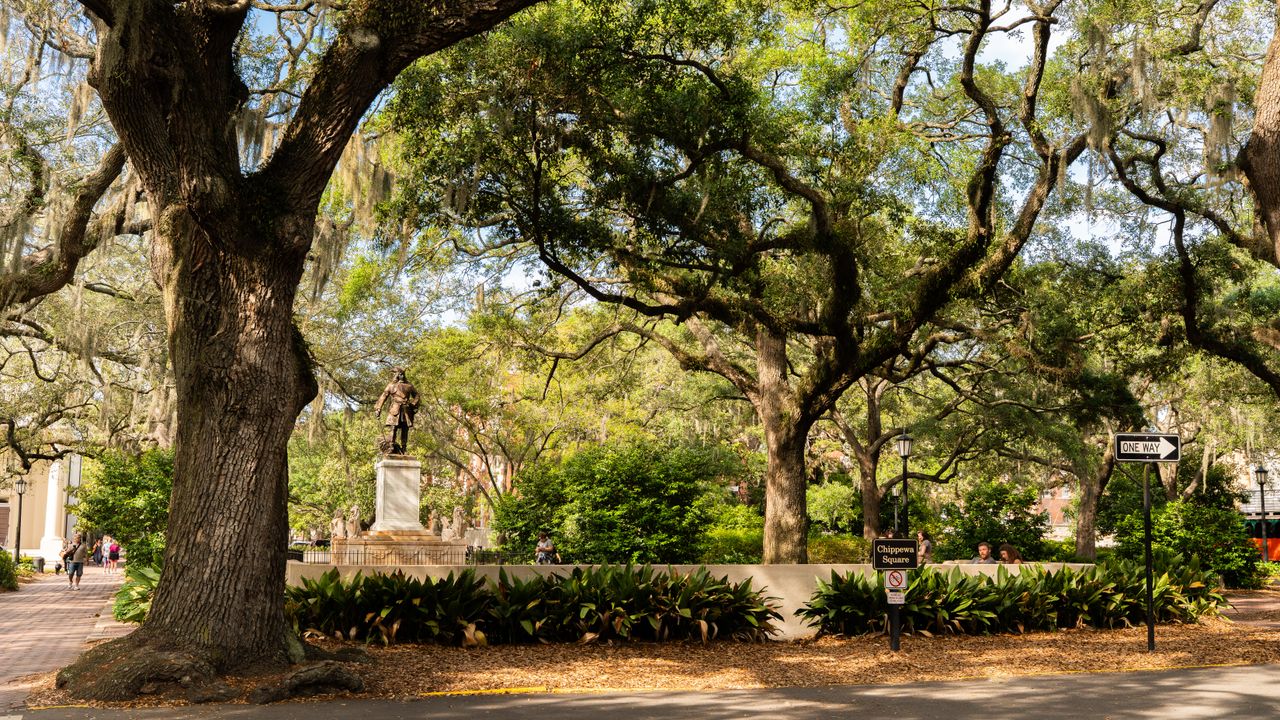
The best storm preparation happens before the season starts. Prune out dead and weak limbs, thin dense canopies so wind can pass through instead of pushing the whole tree, check for structural defects, and remove clearly hazardous trees early. A healthy, well-pruned tree is far less likely to fail when the wind picks up.
- Prune deadwood and weak limbs before the season
- Thin dense canopies so wind passes through
- Inspect for lean, cracks, and root problems
- Remove high-risk trees early, not during a warning
- Keep trees healthy and watered so they stand strong
Louisiana sits in one of the busiest hurricane corridors in the country, and the Atlantic season runs from June through November. Trees are one of the biggest sources of storm damage here, but a little preparation ahead of time goes a long way. Here is how to get your trees ready before the first watch goes up.
Know Louisiana’s Hurricane Timeline
Atlantic hurricane season officially runs June 1 through November 30, and the Gulf Coast usually sees its heaviest activity from mid-August into October. That timing shapes when tree work should happen. The safe window to prune, thin, and remove hazards is late winter through spring, so every job is finished before the first named storm forms. Once a system is in the Gulf, tree crews across the New Orleans area book up fast and wet, gusty weather makes climbing dangerous. Treat June 1 as your hard deadline, not your starting line.
Prune Deadwood and Weak Limbs Early

Dead and weak branches are the first things to break loose in high wind, and they become dangerous projectiles. Removing them before the season lowers the risk to your home and everyone around it. Do this work well ahead of any storm, not while one is on the way. Our tree trimming service handles this.
Thin the Canopy So Wind Passes Through
A dense, sail-like canopy catches wind and puts huge force on the trunk and roots. Selective thinning opens the canopy so air moves through instead of pushing the whole tree over. Done right, it keeps the tree’s natural shape while cutting the wind load.
Never Top Your Trees
Topping, which means cutting a tree back to stubs, does not make it safer. It triggers weak, fast-growing regrowth that is more likely to snap in the next storm, and it stresses the tree. Proper thinning by a trained crew is the safe alternative.
Which Local Trees Fail Most Often in Storms
Some species hold up to Gulf wind far better than others. Fast-growing, brittle, and shallow-rooted trees are the usual casualties around New Orleans, while deep-rooted natives tend to ride storms out. Knowing what is in your yard tells you where to focus your attention.
| Higher risk in high wind | More storm-resistant |
|---|---|
| Water oak and laurel oak (prone to internal decay and limb drop) | Live oak (deep, spreading root system) |
| Bradford pear (weak, tight branch unions) | Bald cypress (flexible and wind-tolerant) |
| Chinese tallow and hackberry (brittle wood) | Southern magnolia (dense, sturdy wood) |
| Pines with root, lean, or trunk problems | Crape myrtle (low and flexible) |
A higher-risk species is not an automatic removal. Regular thinning and honest inspection keep most of these trees standing through a storm. The point is to watch the vulnerable ones more closely as the season gets close.
Inspect for Structural Problems
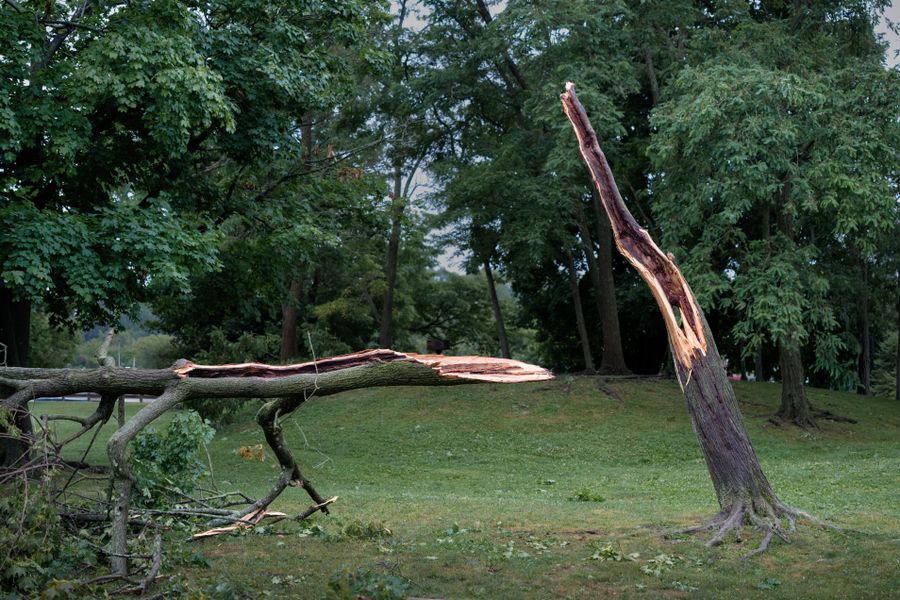
Walk your property and look for leaning trunks, cracks, hollow spots, mushrooms at the base, or lifted soil around the roots. Any of these can mean the tree is likely to fail under stress. Fungus and dead patches can also point to decay or an insect problem eating away at the wood from the inside, which is worth a look from our disease and pest control team. A professional can tell you whether the tree needs pruning, cabling, or removal.
Cable or Brace Limbs Worth Saving
Not every structural flaw means the tree has to come down. A mature shade tree with a split fork or a long, heavy horizontal limb can often be saved with cabling or bracing. These are hardware supports installed high in the canopy that take load off the weak point so it holds together in wind. This is common with older live oaks that are worth keeping. It is skilled, rope-and-hardware work that belongs to a trained crew, so ask about it during an inspection rather than trying it yourself.
Remove Hazardous Trees Before the Season
If a tree is already dead, badly damaged, or unstable, the safest move is to remove it before a storm, not after it has fallen on your roof. Waiting until a hurricane is in the Gulf means every crew is booked. See our tree removal service if you have a tree that cannot be saved.
Keep Your Trees Healthy Year-Round
Strong roots and a sound structure are your best storm defense. Deep watering during dry spells, steady fertilization, and a tree preservation plan keep trees resilient so they hold up when the weather turns. A tree fighting drought stress going into June has far less in reserve when a storm hits.
What to Do When a Storm Is Named
Once a storm has a name and a track toward the Gulf, the window for pruning is closed. Do not climb or cut in the days before landfall. Instead, walk the yard and clear loose objects that wind can throw, like patio furniture, planters, grills, and yard tools. Take photos of your trees and property while everything is still intact, since dated images help if you need to file an insurance claim later. If you already spotted a dangerous tree and never dealt with it, call and get on a list, but know that crews are stretched thin at that point and may not reach you in time.
After the Storm: Safety First
When the wind dies down, the biggest danger is often what you cannot see clearly. Treat every downed line as live. Never touch a tree or limb tangled in power lines, and report it to the utility instead of trying to clear it. Watch for limbs that are broken but still hanging, called hangers, and for cracked trunks that could give way without warning. Leave large, leaning, or line-tangled trees to a professional with the right gear and training. If a storm brought a tree down on your home or driveway, our tree removal crew handles the cleanup safely.
Your Pre-Season Prep Checklist
Run through this list every spring so your trees are ready before June 1:
- Prune out all deadwood and cracked or crossing limbs
- Thin dense canopies so wind can pass through
- Check the trees closest to your house, driveway, and power lines first
- Look for lean, trunk cracks, fungus, and lifted roots
- Cable or brace valuable trees that have weak unions
- Remove any tree that is already dead or unstable
- Deep-water during dry spells to keep roots strong
Get Storm-Ready Before the Season
The time to prepare is now, not when a storm is on the way. TurnKey Tree Removal offers free estimates for pruning, thinning, and hazard removal across the New Orleans area. Call (504) 565-2705 or request a free estimate.
Frequently Asked Questions
When should I prune trees before hurricane season?
Well before it starts. Aim for late winter or spring so the work is done before June. Pruning during a storm warning is unsafe and hard to schedule.
Does topping a tree make it safer in a storm?
No. Topping creates weak, fast regrowth that breaks easily and stresses the tree. Selective canopy thinning is the safe way to reduce wind load.
What trees are most likely to fall in a hurricane?
Shallow-rooted, top-heavy, or already weakened trees are the most vulnerable, along with any tree with a lean, decay, or root damage. Water-loving softwoods often fare worse than deep-rooted hardwoods.
Should I remove a tree before a storm?
If it is already dead, unstable, or badly damaged, yes. Removing a known hazard early is far safer and cheaper than dealing with it after it falls.
Does homeowners insurance cover storm tree damage?
Often, when a tree falls on a covered structure. Coverage varies, so review your policy and photograph any damage before cleanup begins.