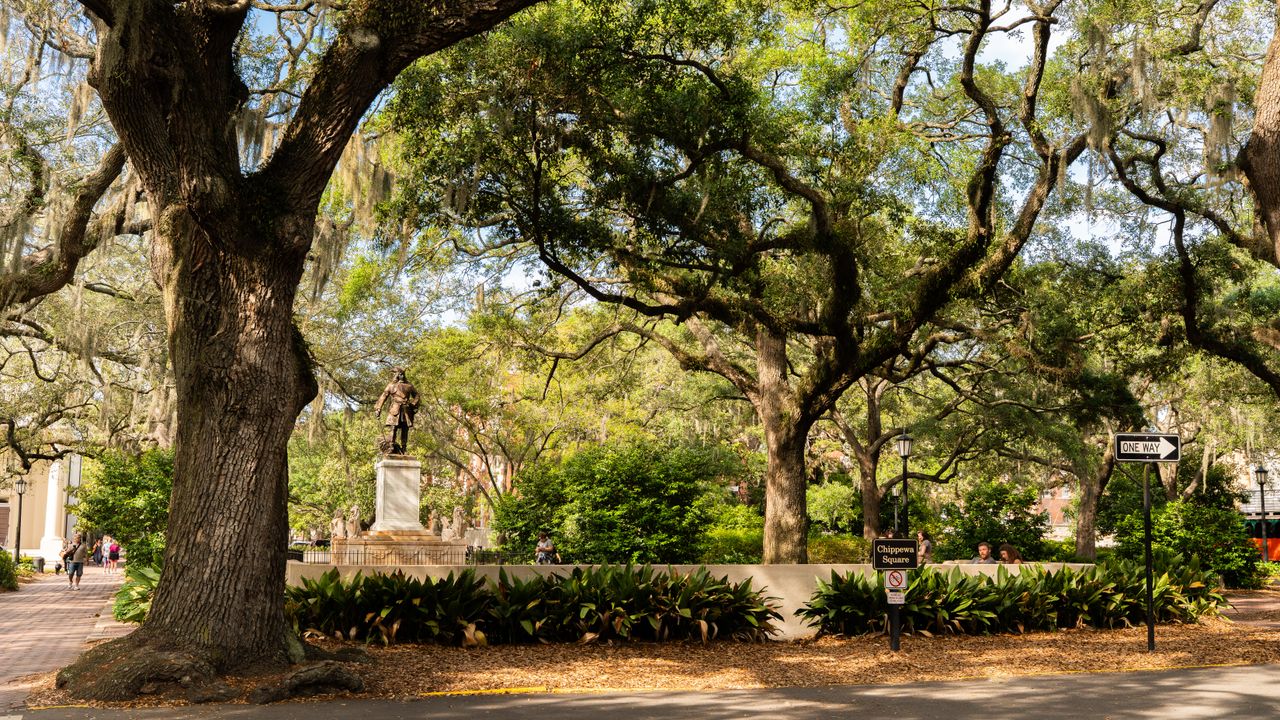
Southern live oaks are tough and long-lived, but they need the right care. Prune lightly and in the cooler dormant months, never top them, protect the root zone from construction and compaction, water deeply during drought, and watch for pests like buck moth caterpillars. Leave major pruning to a certified arborist so these irreplaceable trees are not harmed.
- Prune lightly in late fall or winter
- Never top a live oak
- Protect the root zone from digging and compaction
- Deep-water during drought
- Watch for buck moth caterpillars and scale
- Hire a certified arborist for large cuts
The live oak is the signature tree of New Orleans, arching over streets and neutral grounds and living for centuries. These trees are resilient, but their size and value mean care mistakes are costly. Here is how to keep a live oak healthy and safe.
When and How to Prune
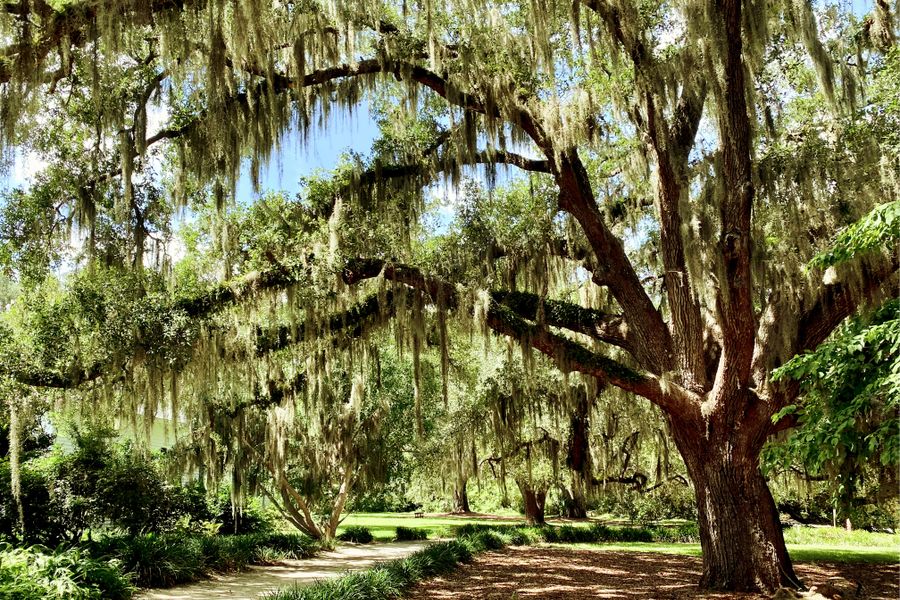
Prune live oaks lightly and during the cooler dormant months, roughly late fall through winter. Pruning during the warm, active season raises the risk of spreading disease and stresses the tree. Focus on removing dead, crossing, or weak limbs rather than heavy cutting, and keep the tree’s natural spreading shape. Our tree trimming crews handle live oaks with this in mind.
Never Top a Live Oak
Topping a live oak, cutting the big limbs back to stubs, is one of the worst things you can do. It creates weak regrowth, invites decay through the large wounds, ruins the tree’s form, and shortens its life. If a live oak is too big for its space, selective pruning by a professional is the answer.
Protect the Root Zone
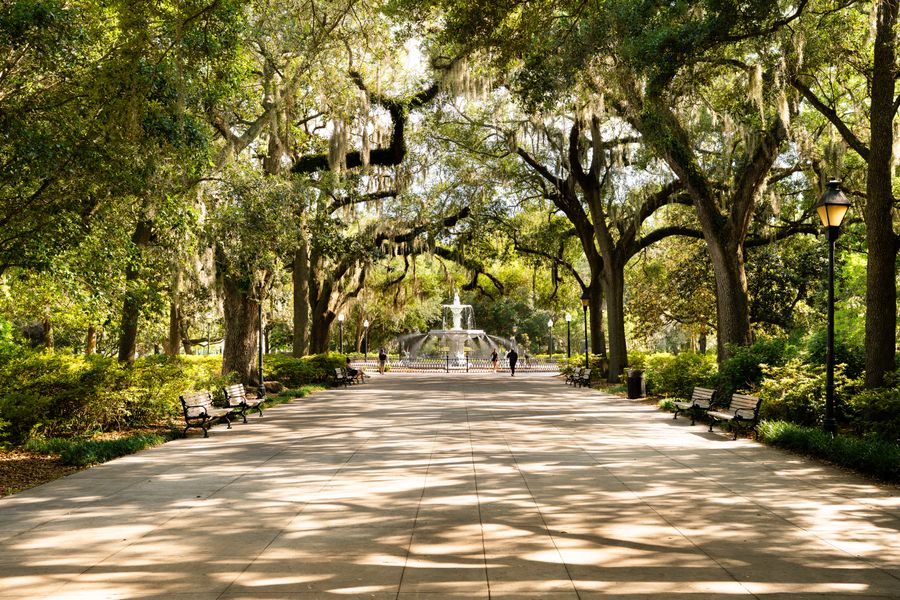
A live oak’s roots spread wide and shallow, well past the edge of the canopy. Digging, trenching, paving, or parking over that area cuts and compacts the roots and can slowly kill the tree years later. During any construction, protect the root zone and keep heavy equipment off it.
Water and Feed for the Long Haul
Established live oaks handle our climate well, but during a long drought a deep, slow soak helps. If a tree looks thin or stressed, a fertilization and preservation plan can strengthen it.
Watch for Pests
Live oaks are the main host for buck moth caterpillars, the spiny stinging caterpillars that appear across New Orleans each spring. They rarely kill a healthy oak but can defoliate it and make the yard hard to use. Keeping the tree healthy and treating heavy infestations protects both the oak and your family.
Why New Orleans Live Oaks Are Worth Protecting
Southern live oaks (Quercus virginiana) can live for hundreds of years, and many of the giants shading Uptown, City Park, and the Garden District stood here long before the houses around them. A mature oak cools the yard through the worst of summer, stands up to hurricane wind better than almost any other tree in the region, and adds real value to a property. Because a tree that size cannot be replaced in a lifetime, the goal is almost always to keep it healthy rather than take it down. When an old oak starts to look stressed, a tree preservation assessment is the right first step, long before anyone talks about removal.
Spanish Moss and Mistletoe: Myth vs. Reality
Spanish moss draped over live oak limbs is part of the New Orleans look, and it does not hurt the tree. It is not a parasite. It pulls no water or nutrients from the oak and simply uses the branches as a place to hang while it gathers moisture and light from the air. Heavy clumps can shade a few inner leaves or add a little weight, but a healthy oak handles it fine, so there is no reason to strip it off.
Mistletoe is a different story. It is a true parasite that roots into the branch and draws water and nutrients straight from the tree. A little does no serious harm, but heavy mistletoe can weaken limbs over the years. Where it becomes a problem, the fix is to prune out the affected branch below the point of attachment, which is a job for a trained crew when it sits high in the canopy.
Diseases and Decay to Watch For
Live oaks are resilient, but a few problems are worth knowing by name. Hypoxylon canker shows up as patches of bark flaking away with a dusty tan or gray surface underneath, and it usually takes hold in trees already weakened by drought, root damage, or nearby construction. The best defense is a vigorous tree, since a healthy oak resists it. Oak wilt is a serious vascular disease in other parts of the country; it is not a common problem in the New Orleans area, but it is one more reason to keep pruning to the cool months and to make sure every cut is clean.
Any large wound, old topping cut, or hollow spot can invite decay fungi over time. If you see mushrooms or shelf-like conks growing at the base or on the trunk, that can point to internal rot, and the tree should be inspected before a limb or the trunk fails. Our disease and pest control team can diagnose what you are seeing and lay out a plan.
| What You See | Likely Cause | What To Do |
|---|---|---|
| Gray moss hanging on the limbs | Spanish moss (harmless) | Leave it; no action needed |
| Green leafy clumps rooted into a branch | Mistletoe (parasite) | Prune out the affected limb |
| Bark flaking off with dusty patches | Hypoxylon canker (stress-related) | Reduce stress and have it inspected |
| Mushrooms or conks at the base or trunk | Possible internal decay | Get an arborist inspection |
| Chewed, thinning leaves in spring | Buck moth caterpillars | Treat if the infestation is heavy |
Storm Season and Structural Pruning
New Orleans takes high wind and heavy rain every hurricane season, and live oaks generally ride it out well thanks to their low, spreading form and dense wood. The oaks that fail in storms are usually the ones with built-in weak points: co-dominant trunks meeting in a tight V-shaped fork, too much end weight on long horizontal limbs, or hidden decay. Good structural pruning done early, while a tree is young or mid-sized, builds a stronger frame and cuts the odds of a limb coming down on the house or the fence. This is slow, light work spread over years, not one heavy cut, and it is far cheaper than storm cleanup and repairs.
Protected Trees and When to Call an Arborist
Live oaks carry extra protection in New Orleans. Work on an oak in the public right-of-way or on a neutral ground requires a permit through the Department of Parks and Parkways, and even on private property these trees deserve careful hands. A small amount of deadwood on a low limb you can reach safely is fine for a homeowner. For anything involving large limbs, climbing, cuts near power lines, or a tree that looks sick or unstable, bring in a certified arborist. The cost of proper care is small next to the cost of losing a century-old oak.
Care for Your Live Oak the Right Way
Live oaks are too valuable to trust to guesswork. TurnKey Tree Removal’s certified arborists prune and protect them the right way. Call (504) 565-2705 or request a free estimate.
Frequently Asked Questions
When should live oaks be trimmed?
In the cooler dormant months, roughly late fall through winter. Avoid heavy pruning in the warm active season, when the risk of spreading disease is higher.
Can you top a live oak?
You should not. Topping causes weak regrowth, decay, and long-term decline, and it destroys the tree\’s natural shape. Selective pruning by a professional is the safe alternative.
How often should I trim a live oak?
Most healthy live oaks need only light pruning every few years to remove deadwood and keep good structure. A certified arborist can set the right schedule for your tree.
Do I need a permit to trim a live oak in New Orleans?
For a live oak on your private property, generally no. For a live oak in the public right-of-way or on a neutral ground, yes, work requires a permit through the Department of Parks and Parkways.
Why are my live oak leaves being eaten?
In spring, the likely cause is buck moth caterpillars, which feed on live oaks across New Orleans. They rarely kill a healthy oak but can strip its leaves and should be managed if the infestation is heavy.