
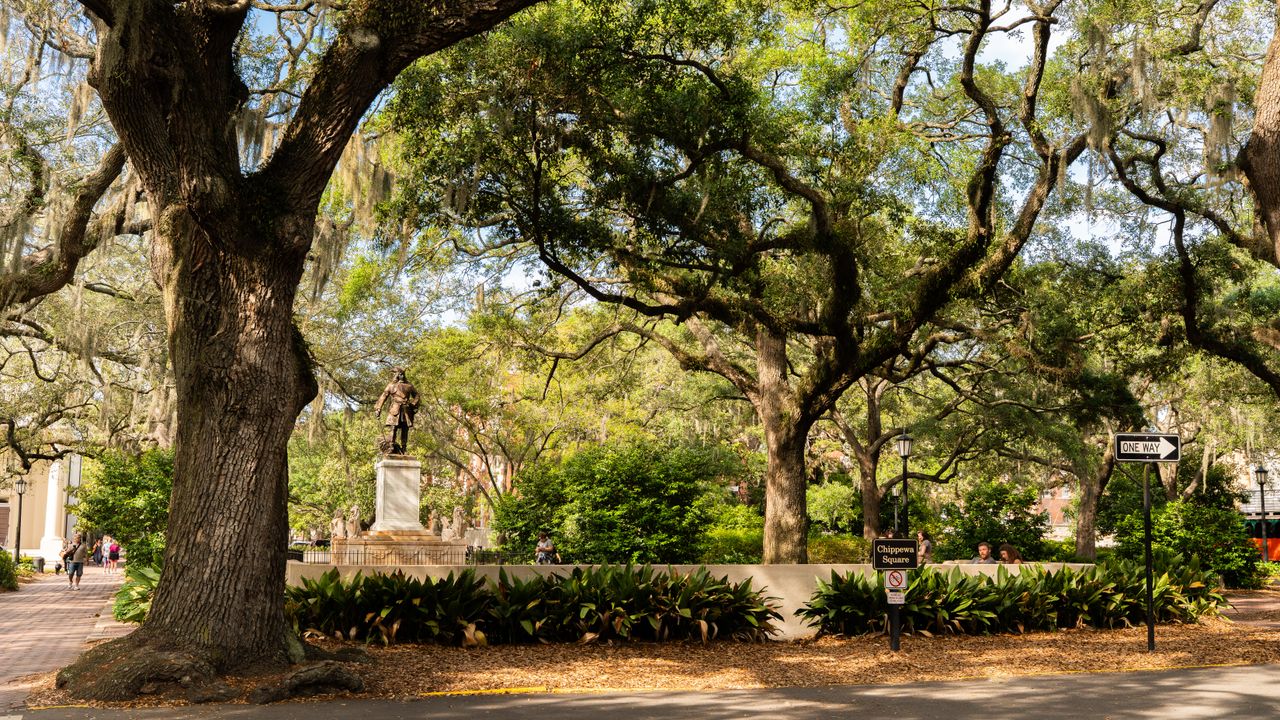
Tree roots chase water and can work into sewer lines and press against foundations, causing clogs, cracks, and expensive repairs. Warning signs include slow or gurgling drains, recurring backups, and new foundation cracks near large trees. Fixes range from root barriers and root pruning to clearing the pipe, and in severe cases removing the tree.
- Roots follow moisture toward pipes and slabs
- Signs: slow drains, gurgling, repeat backups
- Signs: new cracks in a foundation near a big tree
- Fixes: root barriers, root pruning, pipe clearing
- Severe cases: tree removal to stop the source
Trees and your home’s plumbing usually coexist just fine. But when a thirsty root finds a leaking sewer line or a moist foundation, it can cause slow, expensive damage that is easy to miss until it is serious. Here is how to spot the problem and what can be done about it.
Why Roots Invade Pipes and Foundations
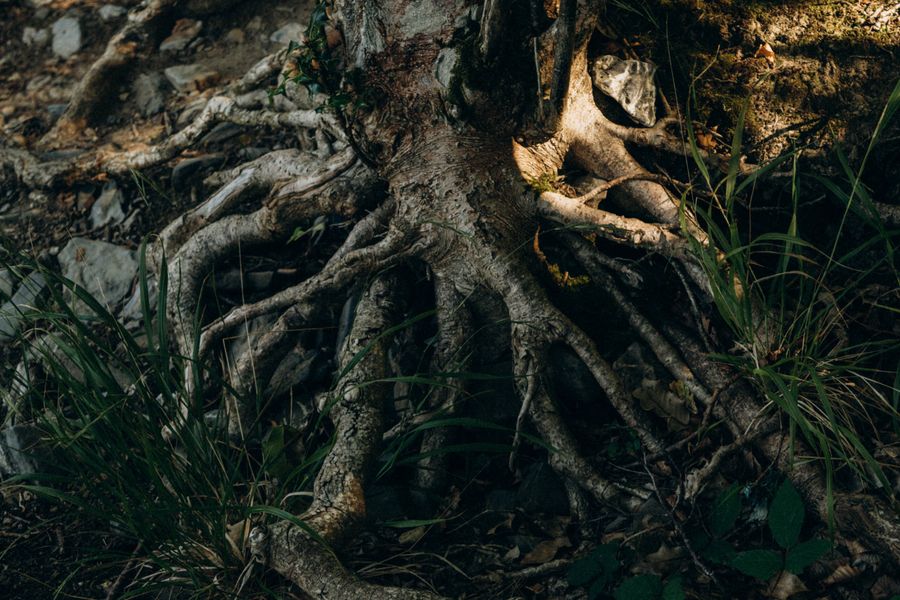
Roots grow toward water and nutrients. A small crack or loose joint in a sewer line leaks moisture into the soil, and roots follow it, working inside where they expand and catch debris. Near a foundation, roots draw moisture from the soil, and in our shifting clay soils that can contribute to slab movement and cracking.
Older New Orleans neighborhoods make this worse. Many homes here still run on aging clay tile or cast-iron sewer lines with joints every few feet, and those joints are exactly where fine roots slip in. Once a hair-thin root reaches the moisture inside a used line, it fattens up fast into a dense mat that snags grease, paper, and sediment, and a slow drain becomes a full blockage over a season or two.
Which Trees Cause the Most Trouble Here
Not every tree threatens your pipes. The worst offenders are large, fast-growing, water-loving species, and several of them are common in New Orleans yards and along the neutral grounds. Size and root habit matter more than looks.
| Tree | Why It Is a Risk |
|---|---|
| Live oak and water oak | Broad, powerful root systems that spread well past the canopy and run shallow near the surface. |
| Willow | Shallow, aggressive roots that chase water hard, a classic pipe invader. |
| Sweetgum | Fast growth and surface roots that lift walks, driveways, and slabs. |
| River birch | Water-seeking roots that gravitate to drains, downspouts, and low, damp spots. |
| Chinese privet and ligustrum | Dense, opportunistic roots that crowd shallow lines and edges. |
| Hackberry | Quick, invasive roots paired with weak wood that adds its own risks. |
Distance and pipe condition still count for more than species alone. A modest tree over a cracked line can cause a clog, while a large tree over sound, sealed pipe may never bother it.
Warning Signs in Your Plumbing
Watch for drains that empty slowly across the house, gurgling toilets, and backups that keep coming back even after you clear them. A recurring clog in the same line is a classic sign that roots have found their way in.
Warning Signs Around Your Foundation
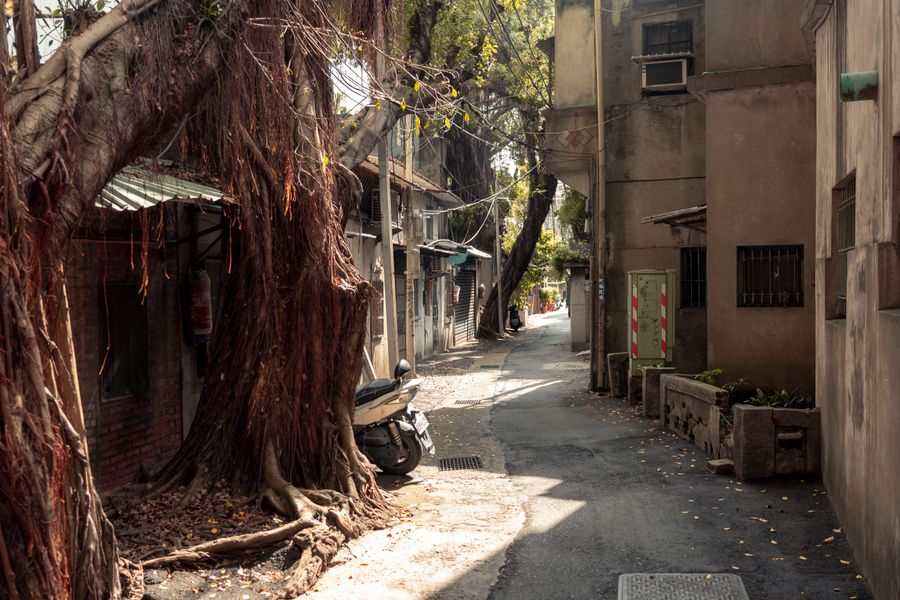
Look for new cracks in the foundation, walls, or driveway near a large tree, doors and windows that suddenly stick, or uneven spots in a slab. A big tree planted close to the house is the most common setup for this kind of trouble.
Why Foundations Are Extra Vulnerable in New Orleans
Homes here sit on soft, water-heavy ground that already moves on its own. Much of the soil is clay and old river deposit that swells when wet and shrinks when it dries out. When a big tree pulls moisture out of the soil beside or under a slab during a dry stretch, the clay contracts and the slab can settle unevenly. Layer the city’s ongoing subsidence on top of that, and foundation cracks tend to show up faster here than in places built on firm, sandy ground.
Roots rarely shove a foundation aside by brute force. The real issue is the water they draw down and the soil movement that follows, which is why a shade tree twenty feet away can still play a part in a cracked slab.
The Fixes
The right fix depends on how far things have gone:
- Root barriers: panels installed in the soil to steer roots away from a pipe or foundation.
- Root pruning: carefully cutting the offending roots, done so the tree stays stable.
- Clearing the line: a plumber cuts the roots out of the pipe and repairs the damaged section.
- Tree removal: when a large tree keeps attacking the line or slab, removing it is sometimes the only lasting fix. See our tree removal and stump removal services.
Clearing a Root-Choked Sewer Line
On the plumbing side, the options run from quick relief to a lasting seal. Most homeowners work up this ladder as the problem repeats:
- Mechanical cutting: a rotating cutter, often called a rooter, shears the root mat out of the pipe. It restores flow fast, but the roots grow back because the cracks they entered through are still open.
- Hydro-jetting: high-pressure water scours the pipe wall clean, clearing more of the root mass and the grease and sediment caught in it. It buys more time than a basic cut.
- Root-inhibiting foam: a foaming treatment applied after clearing slows regrowth inside the line for a stretch.
- Pipe lining or spot repair: a cured-in-place liner or a replaced section seals the cracks and joints roots use to get in. This is the step that actually stops the cycle rather than resetting it.
- Full replacement: for a collapsed or badly deteriorated line, replacing the run is the only real fix.
Clearing the line matters, but if the tree stays and the pipe is never sealed, the roots come right back. Pairing a plumbing repair with work on the tree is what breaks the cycle.
When Removing the Tree Is the Right Call
Removal should be the last option you reach for. It earns its place when a single large tree keeps pushing roots into the same line year after year, when it sits so close to the slab that damage will only continue, or when the tree is already in poor health or structurally unsound. In those cases you are paying for repeat clearings and repairs that never end.
If the tree is healthy and worth keeping for shade or curb appeal, it is usually worth trying barriers, careful root pruning, and a pipe repair first. Our tree preservation work is built for exactly that balance. When removal is the right answer, taking out the roots and grinding or pulling the stump keeps what is left in the ground from sprouting and reaching back toward the line.
Prevention: Plant Smart
The easiest fix is avoiding the problem in the first place. Plant large trees well away from sewer lines and the foundation, and choose species with less aggressive roots for anything close to the house. As a rule of thumb, the bigger a tree gets at maturity, the more room it needs, so a tree that will top forty feet belongs well out in the yard, not against the slab.
If you already have a big tree near your lines, a root barrier installed between the tree and the pipe can steer new growth away without harming the tree. When in doubt, have the tree and pipe location checked before you plant or build, so you are not guessing at a safe distance for your yard.
Roots Causing Trouble? Let’s Take a Look
If a tree is threatening your pipes or foundation, we can assess it and lay out your options. TurnKey Tree Removal offers free estimates across New Orleans. Call (504) 565-2705 or request a free estimate.
Frequently Asked Questions
Can tree roots really break a sewer pipe?
Roots rarely break a sound pipe on their own. They find existing cracks or loose joints, grow inside where there is moisture, then expand and catch debris until the line clogs or the damage widens.
How do I know if roots are in my sewer line?
Recurring backups in the same line, slow drains across the house, and gurgling are the classic signs. A plumber can run a camera down the line to confirm.
Will removing the tree stop the root damage?
It stops new growth from that tree, but existing roots in a pipe still need to be cleared and the pipe repaired. Removal is usually paired with a plumbing fix.
How far should trees be planted from the house?
It depends on the species and its mature size. Large, fast-growing trees should be kept well away from the foundation and sewer lines. A professional can recommend a safe distance for your yard.
Can you remove roots without removing the tree?
Sometimes. Careful root pruning and barriers can redirect roots while keeping the tree stable, but cutting too many roots can make a tree unsafe. It should be done by a professional.