Stump grinding uses a machine to shave the stump down several inches below ground and leaves the roots to decay naturally. Stump removal pulls out the entire stump and root ball, which is more invasive and costs more but clears the ground completely. For most yards, grinding is enough. Choose full removal if you plan to replant or build in the same spot.
- Grinding: faster, cheaper, roots stay in the ground to rot
- Removal: whole stump and root ball dug out, bigger hole
- Grinding usually costs $75 to $400; full removal costs more
- Grinding leaves mulch; removal leaves a large hole to fill
- Pick removal if you are replanting or laying a foundation there
Once a tree is down, the stump is the last thing standing between you and a clean yard. You have two ways to deal with it, and they are not the same job. Here is how stump grinding and stump removal compare, and how to pick the right one for your New Orleans property.
What Is Stump Grinding?
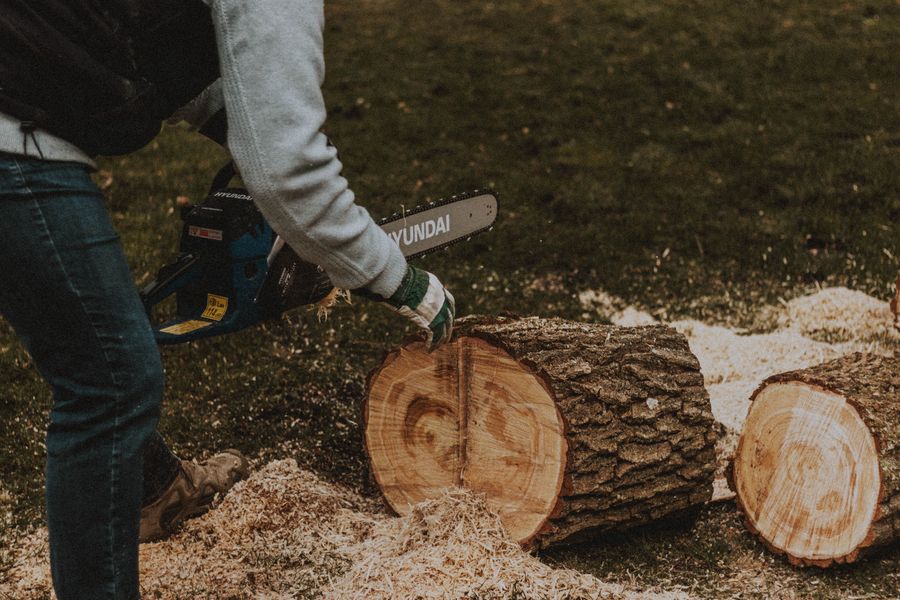
Stump grinding uses a machine with a rotating cutting wheel to chip the stump down to about six to twelve inches below the soil line. The roots are left in the ground, where they slowly rot away over the following years. You are left with a pile of wood chips that can be used as mulch or hauled off, and a low spot you can cover with soil and grass.
It is the faster, cheaper, and less disruptive option, which is why most homeowners choose it. Learn more on our stump grinding page.
What Is Stump Removal?

Full stump removal takes out the entire stump along with the major root ball. It is a bigger job that often needs heavy equipment, and it leaves a large hole that has to be backfilled. Because it disturbs so much soil and takes more labor, it costs more than grinding. The upside is a completely clear patch of ground with no leftover roots. See our stump removal page for details.
How the Grinding Process Works
Grinding looks simple from the curb, but a good crew follows a clear sequence. Here is what happens on a typical job:
- Clear the area. Rocks, loose debris, and anything metal around the base get moved so the cutting wheel has a clean line.
- Set the depth. The operator picks how far below grade to cut, usually six to twelve inches.
- Grind in layers. The wheel passes back and forth over the stump, shaving the wood into chips until the crown is gone.
- Chase the surface roots. Shallow roots that flare out from the base get ground down so nothing pokes up through the lawn later.
- Fill and rake. The hole is topped with the chips or fresh soil and the area is raked smooth.
A standard stump usually wraps in under an hour. Larger trunks and dense hardwoods like live oak take longer because the wood is harder to cut.
Cost and Cleanup Compared
| Factor | Stump grinding | Stump removal |
|---|---|---|
| Typical cost | $75 – $400 | Higher, varies by size |
| Speed | Usually under an hour | Longer, heavier work |
| Ground left behind | Wood chips, small dip | Large hole to fill |
| Roots | Left to decay | Pulled out |
| Best for | Most yards | Replanting or building |
What Moves the Price
The $75 to $400 range covers most residential grinding, but a few things push the number up or down:
- Diameter. Price often tracks the width of the stump measured across the top. Wider stumps mean more grinding time.
- Wood type. Dense hardwoods common around New Orleans, like live oak, take more passes than soft pine.
- Root spread. Large surface roots add work if you want them ground down too.
- Access. A stump behind a narrow gate may need a smaller machine, which is slower than a full-size grinder.
- Number of stumps. Crews usually give a better per-stump rate when several are handled in one trip.
Full removal is priced case by case, since it depends on how big the root ball is and whether heavy equipment can reach the spot. If you want tree trimming or other work done at the same time, bundling it into one visit often saves on the total.
What Happens to the Roots and Wood Chips
After grinding, the roots stay in the soil and break down on their own. They cannot regrow, because the trunk that fed them is gone. Over the next few years, soil moisture and microbes, both of which New Orleans has in abundance, speed up the decay. As the roots rot, the ground in that spot may settle a little, so it is normal to top off the low area with fresh soil once or twice.
The wood chips are yours to keep or lose. Many homeowners spread them as mulch around beds and other trees, which is a free way to hold moisture in the summer heat. If you would rather have them gone, ask the crew to haul them off. One thing worth knowing: fresh chips pull nitrogen from the soil as they break down, so they work better spread on top of a bed than mixed into planting soil.
Why a Leftover Stump Is a Termite Risk in New Orleans
In much of the country a dead stump is just an eyesore. In New Orleans it can turn into a feeding station. The Formosan subterranean termite is well established across the metro area, and a moist, decaying stump sitting in the ground is exactly the kind of buried wood these colonies feed on. Left near the house, a rotting stump can act as a stepping stone that helps a colony work its way toward your foundation, deck, or fence posts.
Grinding the stump below grade and clearing the wood takes away that easy food source close to the home. If you have already spotted termite activity in the yard, it makes sense to pair the stump work with a proper inspection. Our team can walk you through termite treatment options if you want the ground checked while we are out there.
Which One Should You Choose?
Go with grinding if you simply want the stump gone, a level lawn, and the lowest cost. It handles the vast majority of residential jobs.
Go with full removal if you plan to plant a new tree in the exact same spot, pour a patio or foundation there, or you want every trace of the root system gone. Leftover roots can get in the way of digging and new planting, so clearing them upfront saves trouble later.
Not Sure Which You Need?
Tell us what you want to do with the space and we will recommend the right approach. TurnKey Tree Removal offers free estimates across New Orleans and the surrounding parishes. Call (504) 565-2705 or request a free estimate.
Frequently Asked Questions
Do ground stumps grow back?
No. Once a stump is ground below the soil line, that trunk cannot regrow. Some species may send up shoots from leftover roots for a while, but those are easy to cut or treat and they fade as the roots die.
Will the roots keep growing after grinding?
No. Roots need the trunk and leaves to feed them. After grinding, the roots stop growing and slowly decay in the ground over the next few years.
How deep do you grind a stump?
Usually six to twelve inches below the surface, which is enough to replant grass and level the area. We can grind deeper on request if you plan to dig or build there.
Can I plant grass or a new tree where the stump was?
You can plant grass right after grinding once the hole is filled with soil. For a new tree in the same spot, full removal is better so the old root ball is out of the way.
Is stump grinding messy?
It creates a pile of wood chips, but a good crew cleans up and can leave the chips as mulch or haul them away. It is far less disruptive than digging out the whole stump.